

This article was first published in the November – December 2025 issue of Gıda Türk magazine.
Bringing a brand to the top in the food sector takes years of effort, investment, and trust-building. Yet this trust can collapse in an instant through the wrong handling of products that were made faulty, have passed their expiry date, or were recalled from the market. A product thrown away without control is not just a source of environmental pollution. It is also a ticking time bomb that threatens brand image and public health. So is it possible to manage these risks while also cutting costs, gaining tax advantages, and reaching sustainability goals? In this article, we will look for the answer to this question.
As a disposal and recycling consultant, let us cover in every aspect how food companies can strengthen their brand shield and turn their waste into value.
Brand Security: What You Throw Away Is Not Just a Product but Your Reputation
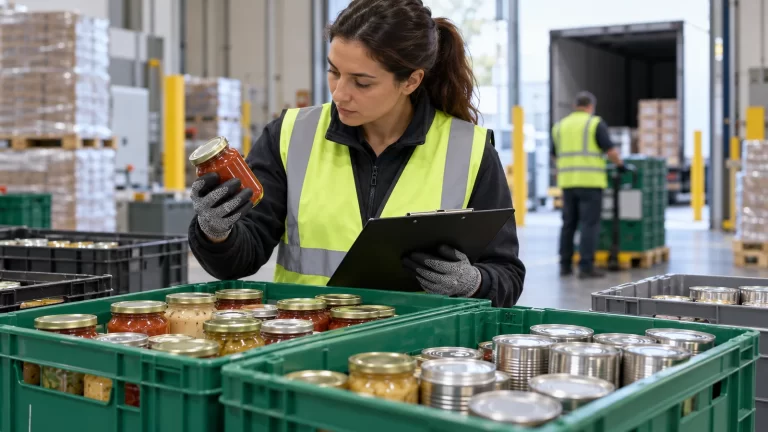
Brand security means that a consumer believes unconditionally everything written on the label of the product that they take from the shelf. However, if products withdrawn from the market are destroyed in an uncontrolled way, they risk ending up on the black market or on back-alley stalls. Repackaging a product past its expiry date, changing its date of use, or mixing it with counterfeit products shakes consumer trust at best. At worst, it can cause serious food poisoning and bring about the end of the brand.
At this point, safe and documented disposal is not an option but a necessity. Destroying products in authorized and licensed facilities, in a way that leaves the brand and logo unrecognizable, is the first step that removes these risks.
A Global Threat: The Reality of Counterfeit and Imitation Products
Another major factor that threatens brand security is counterfeiting. According to reports by the Organisation for Economic Co-operation and Development (OECD) and the European Union Intellectual Property Office (EUIPO), the share of counterfeit and imitation products in global trade corresponds to about 2.5% of world imports. This enormous market threatens every sector, from food to pharmaceuticals.
Leading Countries in the World: In the ranking of origin countries in the global trade of counterfeit and imitation products, China (including Hong Kong) is unfortunately the clear leader. Among the countries that follow, the United Arab Emirates and Türkiye often rank near the top.Türkiye’s Position: With its strategic location and strong production capacity, Türkiye is an important hub in international trade. However, this advantageous position is an issue that needs careful management to protect the reputation of domestic and foreign brands in the Turkish market.
The Bitter Balance Sheet of Waste: Food Waste in Numbers
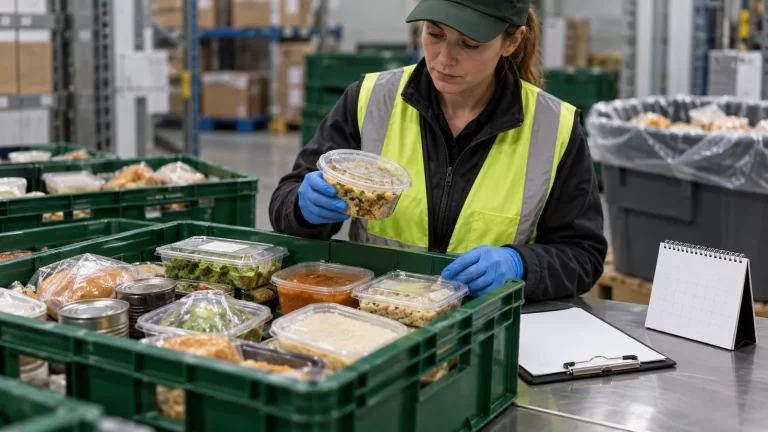
Besides the products destroyed to ensure brand security, there is huge waste at every stage of the supply chain. According to data from the Food and Agriculture Organization of the United Nations (FAO):
About one third of the food produced worldwide (about 1.3 billion tons) goes to waste every year.
In Türkiye, according to the 2024 Food Waste Index Report of the United Nations Environment Programme (UNEP), 93 kg of food per person goes to waste every year, which means that about 7.8 million tons of food end up in the trash in total each year.
The causes of this waste include post-harvest losses in the field, shortcomings in storage and transport, aesthetic expectations in the retail sector (not selling misshapen products), and finally consumption habits at home. These figures show how critical waste management is.
A Modern Solution: From Disposal to Creating Value
Traditional disposal methods (incineration, burial, etc.) are both costly and harmful to the environment. The modern approach is to make this waste part of the circular economy.
Recycling into Animal Feed: Bakery goods, biscuits, chocolates, chips, and many other food products that are unfit for human consumption can be turned into high-nutrition animal feed in recycling facilities licensed by the Ministry of Agriculture and Forestry. This process includes the following steps:
- Separating the packaging (plastic, cardboard, etc.),
- Grinding the organic content to make it homogeneous,
- Purifying it of harmful microorganisms by heat treatment and drying it,
- Determining the nutritional values of the final product through laboratory analyses.
This method gives companies the chance to turn their waste from a cost item into a source of income.
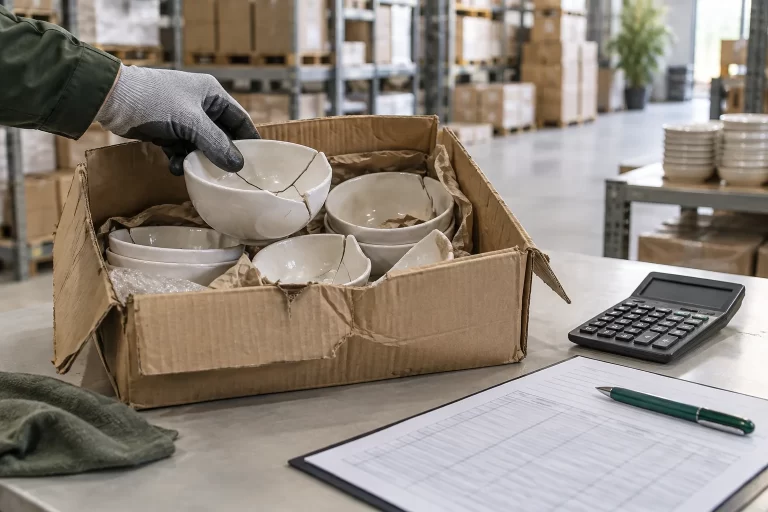
Tax Advantages: When the right procedures are followed for products that are to be destroyed or recycled, companies gain an important tax advantage. Products that are withdrawn from the market or have passed their expiry date gain “lost goods” status through a Valuation Commission decision or a disposal record. The cost of these products can be recorded as an expense in the statutory books. This directly benefits companies by reducing their Corporate Tax base. On the Value Added Tax (VAT) side, the VAT previously deducted for these products is corrected in the period that covers the disposal date. Running the process in a documented and transparent way is critical to benefit from this advantage.
Professionalism and Transparency Are a Must in the Process
These sensitive processes must be managed with a professionalism that leaves no room for error.
The Role of Expert Teams: Trained and experienced teams in this field should collect the products from the factory or warehouse, transport them, sort them, and process them. Every step of the process should be planned with brand security and legal compliance in mind.
Transparency with an Online Tracking System: Today’s technology offers full transparency in disposal and recycling processes. Through the online platforms provided to them, food companies should be able to follow the whole process live, 24/7, from the products’ arrival at the facility to the moment of processing and the creation of the final reports. Camera recordings, instant reports, and digital documents prove the reliability of the process and give companies full control.
Sustainability: An Investment in the Future and in the Brand
A company’s waste management policy is one of the most important grades on its sustainability report card. A company that recycles its waste into animal feed:
Reduces its carbon footprint (by preventing the release of methane gas that forms in landfills).
Contributes to the protection of natural resources (arable land for feed production, water, etc.).
Supports national goals such as “Zero Waste”.
These steps raise the brand’s reputation beyond measure in the eyes of environmentally conscious consumers and investors. Corporate social responsibility is no longer a choice but a basic component of brand value.
An International Success Story: Japan’s “Eco-feed” Model and Lessons for Türkiye
The circular economy model that we describe is not just a theoretical approach. There are successful examples around the world that have made this system a national policy, dramatically reducing food waste and turning it into economic value. The most inspiring example in this field is without doubt Japan’s “Eco-feed” system.
In Japan, the product that comes from turning food waste collected from businesses such as food factories, supermarkets, and restaurants into animal feed, after strict safety and quality standards, is called “Eco-feed” (Ecological Feed). As Umut Aydın notes, the basis of this system is the “Food Recycling Law” enacted in 2001. This law and the state incentives that came with it turned food waste from a problem into a national resource.
Several key points make the Japanese model valuable for Türkiye as well:
Standardization and Certification: Every “Eco-feed” that is produced passes the inspection of the Japanese Ministry of Agriculture and receives a certificate. This guarantees the quality and reliability of the feed and lets farmers use it without hesitation.
Branding and Added Value: The most vital point of the system is the marketing stage. Products such as meat, milk, and eggs from animals fed with “Eco-feed” are sold on the shelves with the “Eco-feed Brand” label. This label becomes a reason to choose the product for environmentally conscious consumers, adds extra value to the product, and returns to the farmer as higher income.
Reducing Import Dependence: Through this system, Japan reduces its imports of products such as corn and soy, on which it largely depends abroad as raw materials for animal feed, and thus makes a strategic contribution to food supply security.
Takeaways for Türkiye
Licensed and modern facilities that produce animal feed from food waste already exist in Türkiye. Our legal framework also allows this transformation. However, inspired by the Japanese model, we can take the system one step further. A “National Ecological Feed Certification System” set up under state leadership, together with a branding program for products from animals fed with this feed, will both raise waste recycling rates and create a new market for farmers who move to sustainable production. This will be the most concrete way to turn waste management from a cost item into a value chain in which all stakeholders win.
Conclusion
For the food sector, waste management is much more than a technical operation. It is a strategic management area at the intersection of protecting brand security, meeting legal and tax obligations, environmental responsibility, and economic efficiency. Companies that adopt professional, transparent, and sustainable solutions do not just eliminate their risks. They also strengthen their reputation and move toward the future with firmer steps.
Sources
• Aydın, Umut. “Production of Animal Feed (Eco-feed) from Food Waste in Japan”. LinkedIn, June 19, 2024.
• Organisation for Economic Co-operation and Development (OECD) and European Union Intellectual Property Office (EUIPO) – Global Trade in Counterfeit and Pirated Goods Reports.
• Food and Agriculture Organization of the United Nations (FAO) – Food Loss and Waste Data.
• United Nations Environment Programme (UNEP) – Food Waste Index Report 2024.
• Republic of Türkiye Ministry of Environment, Urbanization and Climate Change – Zero Waste Regulation.
• Republic of Türkiye Ministry of Treasury and Finance – Tax Procedure Law (provisions on lost goods).
• Republic of Türkiye Ministry of Agriculture and Forestry – Law on Veterinary Services, Plant Health, Food and Feed.
İmha Sürecinizi Planlayalım
Vergi avantajı takvimi ve imha süreciniz hakkında ücretsiz danışmanlık alın.