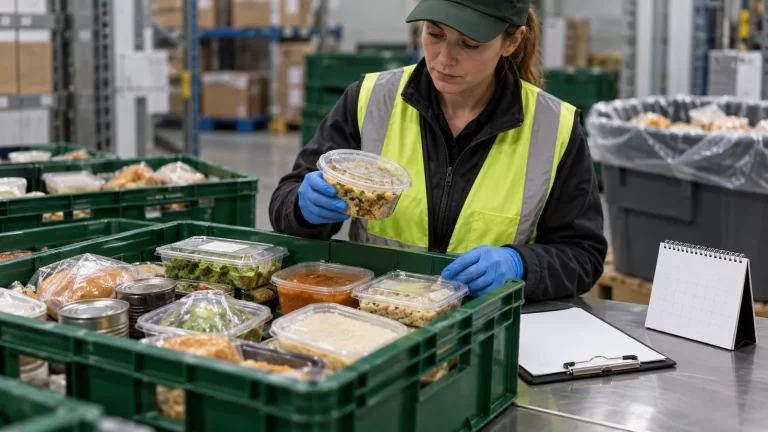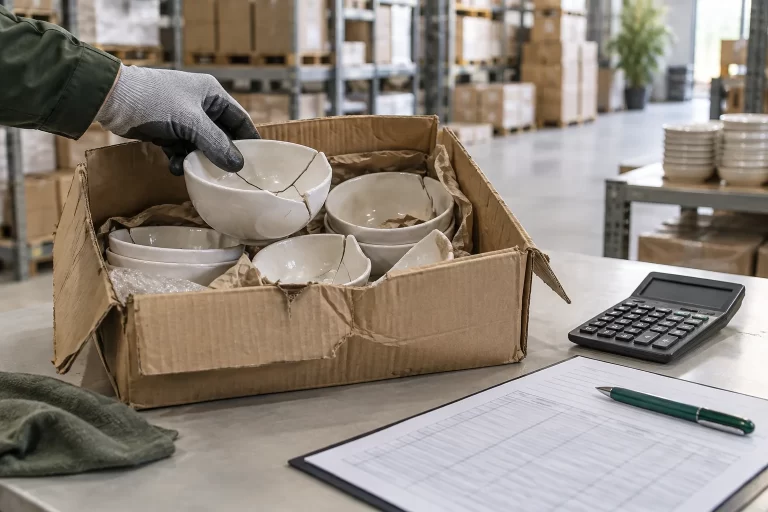


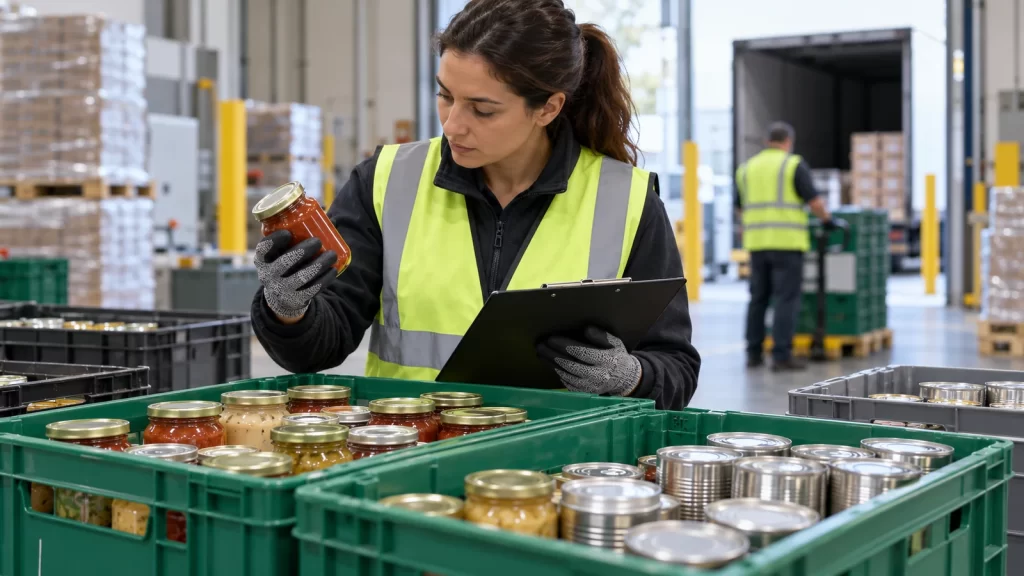
In short: A food recall collects a product from consumers and from the supply chain once it is on the market. Law No. 5996 requires a business that thinks its product does not meet the conditions to start the collection at once and to inform the Ministry. The fate of the collected product does not depend on a single answer. Food that endangers health is seized, passes to the state, and is destroyed. For other products, the Ministry’s decision and the waste rules decide.
One batch shows a foreign body. The product already sits in supermarkets, warehouses, and homes. So the business decides on a recall. But where does the collected product go, who destroys it, and which document do you keep? This article follows the path after a food recall in order.
When does a food recall start?
The law places a duty on the business. Suppose a food business finds, or has reasonable grounds to think, that a product it produced, processed, imported, or distributed does not meet the safety conditions. That business starts the collection at once. It also informs the Ministry. This duty applies from the stage at which the product left the business’s control (Article 22).
In addition, the business explains the reason for the collection to the consumer, accurately and effectively. If the measures taken do not protect human health, it calls on the consumer to return the product (Article 22). In other words, a food recall is both a notice process and a return call.
The Ministry can also step in. Sometimes a food meets the set conditions but there is still enough doubt that it is unsafe. Then the Ministry restricts its placing on the market or collects it (Article 21). The business must apply the measures that the Ministry takes (Article 25).
Which products does a food recall collect?
So a problem in one box can affect the whole batch. The law looks at the rest of a lot when part of the same class or type of food in a series, batch, or consignment is found unsafe. If a wider assessment cannot prove that the rest is safe, the whole of it counts as unsafe (Article 21).
That is why traceability matters. A food business sets up a system to trace its products at every stage of production, processing, and distribution. It presents this information to the Ministry on request (Article 24). A business that can match a batch number with its warehouse and distribution records finishes a food recall faster.
Where does the product go after a food recall?
The answer depends on the state of the product. There are three main routes:
- Food that endangers health: Food that endangers the life and health of people is collected from the market at the expense of the person responsible. Its ownership passes to the state, and the food is destroyed. The law also provides imprisonment and a judicial fine for businesses that produce, import, or place such food on the market under their own name (Article 40).
- Imported consignments: For an imported consignment that does not comply with the law, the Ministry holds the food. Then it can decide on destruction, special treatment, or return to the sender. Special treatment covers bringing the product into conformity or using it outside human or animal consumption. The business responsible for the consignment pays for these steps. See Articles 20 to 23 of the Regulation on Official Controls of Food and Feed.
- Other collected products: Once the product becomes waste, the Waste Management Regulation applies. The waste producer collects the waste separately, keeps records, and sends it to a facility that holds a permit or an environmental license (Article 9).
The scope has a limit, too. The Waste Management Regulation leaves some animal by-products outside its scope (Article 2). So for food of animal origin, such as meat, milk, and eggs, you should also get expert advice. Likewise, if you think of sending the product to animal feed or another use, ask the competent authority first.
How does disposal run step by step after a food recall?
The legislation does not list the form of these steps. The order below is the one that we recommend for a registered and documented disposal:
- Identify the batch: First, you match the batch and serial numbers in the recall decision with your warehouse and distribution records.
- Set the returned product apart: Then you keep the collected product in an area with restricted access, away from sales stock, and mark it.
- Count and record: After that, you count what remains in the warehouse, at the distributor, and in returns, and compare it with the records.
- Wait for the decision: If the Ministry holds the product or a decision is pending, you do not move the product.
- Transport under seal: The product goes to a licensed facility with a count record, in a sealed vehicle, so nothing goes missing on the way.
- Document: Finally, you put the disposal record, the delivery document, the weighing slip, and the photos in your file.
The return of the product to the market is the biggest risk. So uncontrolled disposal is dangerous. We explained the procedure for food that is disposed of because its date passed in our article on expired food disposal. For how a recall works in another sector, see our article on a cosmetics recall.
Which records do you keep after a food recall?
A food business keeps the records that the Ministry requests up to date and presents them on request (Article 22). On the waste side, records follow a time order. They state the waste type, the waste code, the quantity, the source, the facility it went to, and the way it moved. Facilities and producers keep these records for at least five years (Waste Management Regulation, Article 15). In addition, you fill in the previous year’s waste declaration form online by the end of March each year (Article 9).
What is the tax side of a food recall?
Expensing the cost of the collected product and correcting the VAT are separate questions. The answer changes depending on whether the goods count as lost or as impaired. We covered this difference in our article on lost goods and impaired goods, and the VAT split between the tax office and the courts in our article on VAT on destroyed goods. This article does not calculate any tax result, so get your accountant’s opinion before you act. In its food and beverage waste disposal service, Scrap counts, destroys, and documents the collected product.
Frequently asked questions
Does the Ministry or the business start a recall?
Either can. If a business thinks that its product does not meet the conditions, it starts the collection at once and informs the Ministry (Article 22). The Ministry, in turn, can collect the product when there is enough doubt (Article 21).
Who pays for the collected food?
For food that endangers health, the person responsible bears the costs (Article 40). For an imported consignment, the business responsible for the consignment pays for holding, destruction, special treatment, and return.
Must I inform the consumer?
Yes. When a product must be collected, you explain the reason to the consumer accurately and effectively. If the measures do not suffice, you call on the consumer to return the product (Article 22).
Can I sell a recalled product at a discount?
No. Unsafe food cannot be placed on the market (Article 21). Keep the product in a separate area and dispose of it under the Ministry's decision or a documented disposal process.
Sources
- Law No. 5996 on Veterinary Services, Plant Health, Food and Feed (Official Gazette, June 13, 2010, No. 27610), Articles 21, 22, 24, 25, and 40
- Regulation on Official Controls of Food and Feed, Articles 20 to 23
- Waste Management Regulation (Official Gazette, April 2, 2015, No. 29314), Articles 2, 9, and 15
This article follows the legislation in force on its publication date. It is for general information and does not replace legal or tax advice. Therefore, get the opinion of your legal counsel and your accountant before you act on a real recall decision. If you want to plan the process together with us, you can fill in our request form.
İmha Sürecinizi Planlayalım
Vergi avantajı takvimi ve imha süreciniz hakkında ücretsiz danışmanlık alın.