

In short: Expired food disposal is the way to separate food past its use-by date from the market and remove it in a registered and documented manner. The Turkish Food Codex treats food past its use-by date as unsafe food. Law No. 5996 bans the placing of unsafe food on the market. So in expired food disposal, you separate the product, count it in a record, deliver it to a licensed facility, and keep the documents.
A cold chain fails. A batch reaches the end of its shelf life. Surplus stock from a campaign waits in the warehouse. In the food sector, expired goods are unavoidable. The real question is what you do with them. So what is the procedure, what goes in the record, and which files do you keep? This article walks through expired food disposal in order.
What does the law say about food past its use-by date?
The Turkish Food Codex Regulation on Food Labelling and Consumer Information separates two dates. Food that spoils quickly from a microbiological point of view carries a use-by date. Other food carries a best-before date. Food past its use-by date counts as unsafe food under the criteria in Article 21(1) of Law No. 5996 (Article 27(1)).
Unsafe food cannot be placed on the market (Law No. 5996, Article 21(1)(a)). The consequences of an inspection are serious too. If an official control finds a product past its use-by date on the market, or on offer for sale or consumption, the business owner gets an administrative fine. The authorities also seize the goods and transfer their ownership to the state (Article 41(1)(d)). The fine amounts change every year, so we do not write them here.
How does the expired food disposal procedure work?
The expired food disposal procedure has six steps. Each step has an output. Moreover, that output goes into your file.
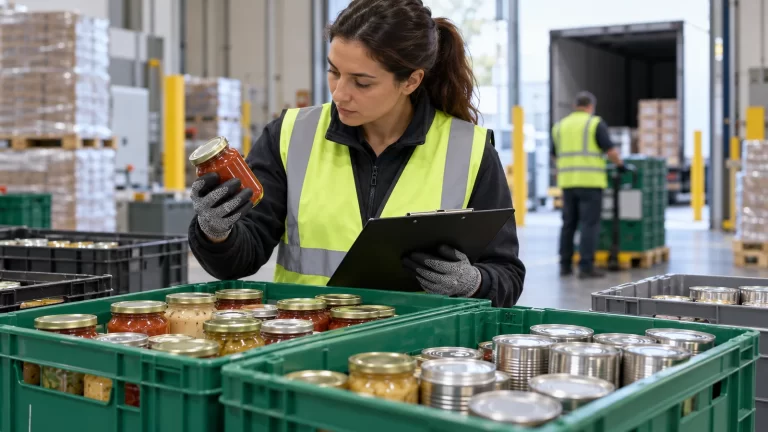
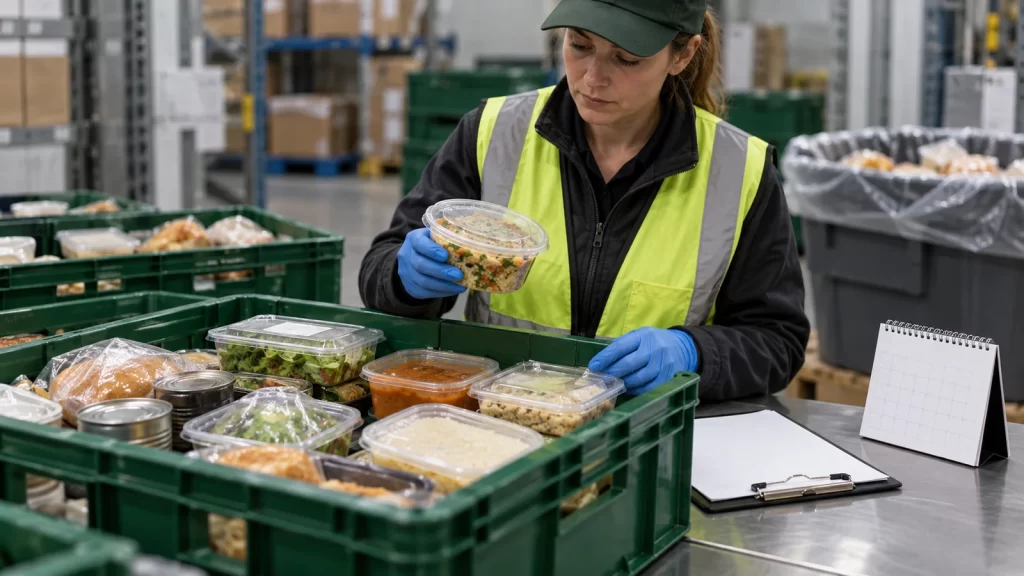
- Detection and separation: First, you separate the expired product from sales stock. You move it to a separate area and mark it “set aside for disposal”.
- Inventory: Then you list the product name, batch number, use-by date, quantity, and warehouse. The law requires a food business to set up a system to trace its products (Article 24(1)).
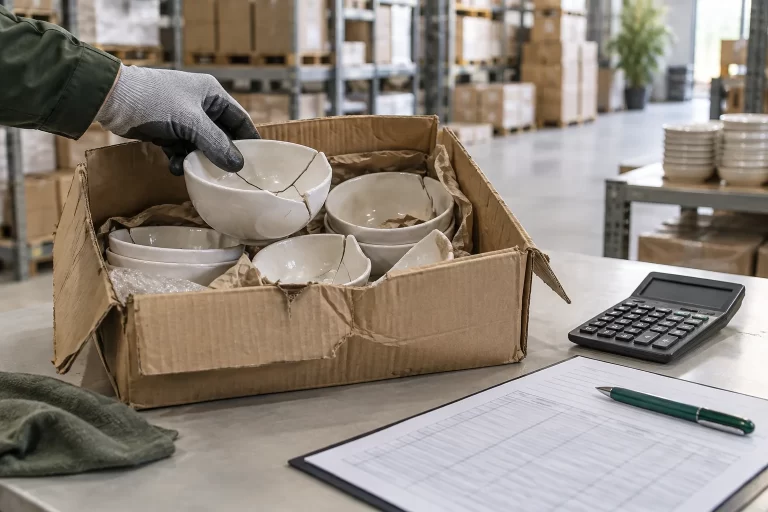
- Record: You count the goods and draw up a record. The record states the date, place, product, batch, quantity, reason, and method. You add the signatures of the parties and photos.
- Sealed transport: The goods leave the warehouse in a sealed vehicle, so nothing goes missing. For waste that needs a transport form, you use the national waste transport form (Waste Management Regulation, Article 9(1)(h)).
- Delivery to a licensed facility: You hand the goods to a facility that holds a permit or an environmental license. The facility issues a weighing and delivery document.
- Documents and retention: Finally, you put the record, the delivery document, the weighing slip, and the photos in your file.
Which waste rules apply to expired food disposal?
Once the product becomes waste, the Waste Management Regulation applies. It asks the waste producer to do the following (Article 9(1)):
- Collect the waste separately and store it temporarily.
- Keep records of the waste, and pack and label it properly.
- Send the waste to a facility that holds a permit or an environmental license.
- Fill in the previous year’s waste declaration form online by the end of March each year, and keep a copy for five years.
The scope has a limit, too. The regulation leaves some animal by-products outside its scope (Article 2(2)(g)). So for food of animal origin, such as meat, milk, and eggs, you should also get expert advice.
Which records do you keep in expired food disposal?
A food business keeps the records that the Ministry requests up to date and presents them on request (Law No. 5996, Article 22(3)). On the waste side, records follow a time order. They state the waste type, the waste code, the quantity, the source, the facility it went to, and the way it moved. Facilities and producers keep these records for at least five years (Waste Management Regulation, Article 15).
The process changes if you find a problem before the date passes. In that case, expired food disposal is not the right route. The law requires a business that finds that its product does not meet the safety conditions to start collecting it immediately and to inform the Ministry (Article 22(2)). This is a collection process that stands apart from normal disposal.
What is the tax side of expired food disposal?
Article 278/A of the Tax Procedure Law covers goods that must be destroyed because of the passing of an expiry date and similar reasons. For taxpayers with recurring disposals who apply, the article treats the equivalent value of the destroyed goods as zero, up to the agreed destruction rate. In addition, the taxpayer keeps every record and document on the disposal and presents them when needed.
On VAT, however, the tax administration and the courts disagree. We explained the details in our article on VAT on destroyed goods. Whichever route you choose, you need a documented file. This article does not calculate any tax result, so get your accountant’s opinion before you act.
In its food and beverage waste disposal service, Scrap runs these six steps on your behalf. As a result, your expired food disposal documents reach your file.
Frequently asked questions
Can I sell food past its use-by date at a discount?
No. Food past its use-by date counts as unsafe food (Food Labelling Regulation, Article 27(1)). Unsafe food cannot be placed on the market (Law No. 5996, Article 21(1)(a)).
Are the use-by date and the best-before date the same?
No. Food that spoils quickly from a microbiological point of view carries a use-by date, and other food carries a best-before date. The regulation clearly calls only food past its use-by date unsafe. For a product past its best-before date, your quality and food safety team needs to assess it.
What should the disposal record include?
The record states the date, place, product name, batch number, quantity, reason, and method. You also add the signatures of the parties and photos. This list is our suggested minimum, and your internal record routine may ask for more fields.
How long should I keep waste records?
The Waste Management Regulation requires you to keep chronological records for at least five years (Article 15). You also keep a copy of the waste declaration form for five years (Article 9(1)(ğ)).
Sources
- Turkish Food Codex Regulation on Food Labelling and Consumer Information (Official Gazette, January 26, 2017, No. 29960 bis), Article 27
- Law No. 5996 on Veterinary Services, Plant Health, Food and Feed (Official Gazette, June 13, 2010, No. 27610), Articles 21, 22, 24, and 41
- Waste Management Regulation (Official Gazette, April 2, 2015, No. 29314), Articles 2, 9, and 15
- Tax Procedure Law No. 213, Article 278/A
This article follows the legislation in force on its publication date. It is for general information and does not replace tax advice. Therefore, get your accountant’s opinion before you act. If you want to plan the process for your stock together with us, you can fill in our request form.
İmha Sürecinizi Planlayalım
Vergi avantajı takvimi ve imha süreciniz hakkında ücretsiz danışmanlık alın.