

In short: Loss within the normal wastage rate is not treated as lost goods, so your VAT deduction stays in place. But if actual loss exceeds that rate, the tax administration does not treat the excess as normal wastage. You correct the VAT on that portion. So the real job is documenting the rate and the excess.
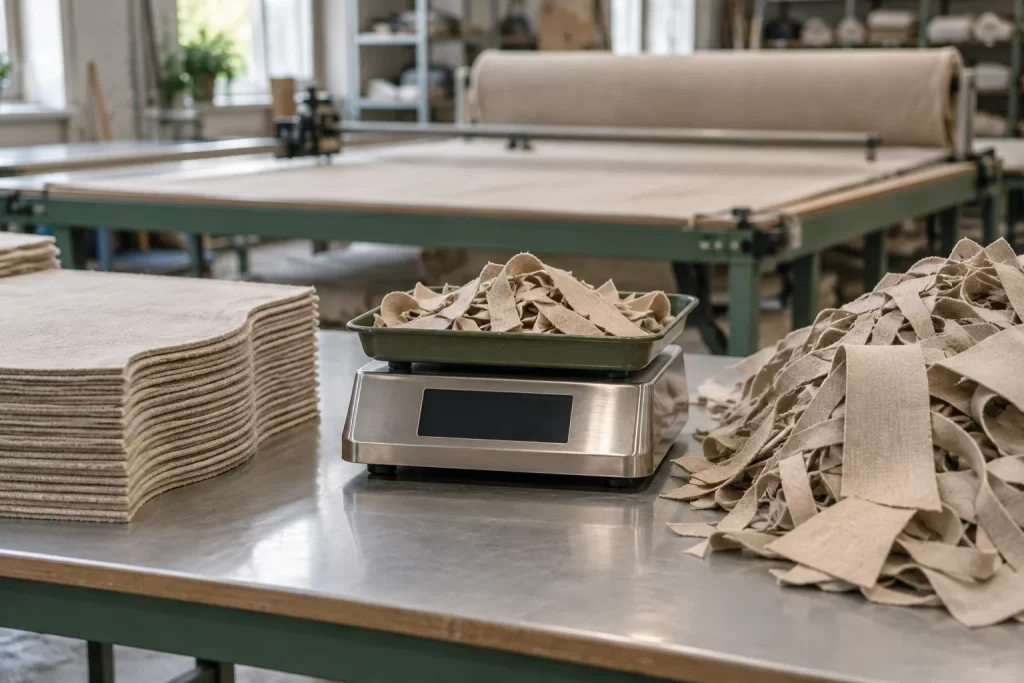
Every production line loses some material. For example, you sift flour, cut fabric, or produce shavings while machining metal. Storage brings similar losses; humidity and drying reduce weight. Some of this loss is inherent to the work. So at what point does tax treat it differently? This article explains that line.
What is normal wastage?
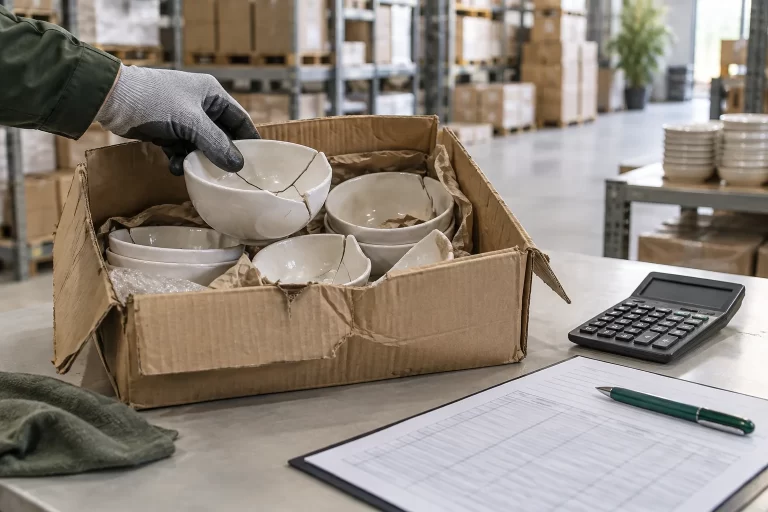
Wastage is the physical loss goods suffer, by their nature, during production or storage. Evaporation, drying, cutting scrap, and breakage fall into this group. Normal wastage is the portion of that loss that stays within the accepted limit. The limit is usually set by legislation or by the relevant professional bodies. For example, chambers of industry and commerce publish rates for their own sectors.
Under the tax administration’s guidance, normal wastage is not treated as lost goods. The loss is an ordinary result of production, and the cost of the goods already flows into the product. So the VAT deduction on this portion stays in place and no correction is needed.
What changes once the normal wastage rate is exceeded?
Loss beyond the rate is no longer treated as inherent to the work. Instead, the tax administration assesses that portion separately and treats it like lost goods. In that case, Article 30/c of VAT Law No. 3065 applies. You add the VAT on the excess portion back on the VAT return.
There is a common mistake here. Once the rate is exceeded, some businesses correct the entire actual wastage. But the normal wastage portion still stays in the deduction. You only need to correct the excess. Other businesses go the other way and never notice the excess at all. That creates assessment risk on audit.
Example: 3% normal wastage, 4% actual loss
A food producer uses TRY 5,000,000 of raw material during the year. The sector’s professional body accepts a normal wastage rate of 3%. But a machine breakdown pushes actual loss to 4%. For this example, we assumed a 20% VAT rate on the raw material. The figures are illustrative only.
| Item | Rate | Cost | VAT | Result |
|---|---|---|---|---|
| Actual loss | 4% | TRY 200,000 | TRY 40,000 | Total wastage |
| Normal wastage portion | 3% | TRY 150,000 | TRY 30,000 | Stays in deduction |
| Excess portion | 1% | TRY 50,000 | TRY 10,000 | Added back on the return |
As you can see, the correction is TRY 10,000, not TRY 40,000. In short, correctly separating out the excess portion preserves three-quarters of the amount at stake.
How do you document the normal wastage rate?
The documentation behind the rate matters as much as the rate itself. On audit, the first question is “where does this rate come from?” So your file should include:
- a document from the professional body or the legislation showing the applicable normal wastage rate,
- period production reports and input-output calculations,
- quality control records and breakdown logs,
- a worksheet showing the calculation of the excess portion,
- if you destroyed unusable material, the destruction report.
Also review the rate every year. A line change or a new raw material can shift normal wastage. If no published rate exists for your sector, an independent expert report can help.
Why should you care about the difference between wastage and lost goods?
Wastage is a continuous, predictable loss. Lost goods is a one-off event — a fire, theft, or spoilage. Mixing the two into one line blurs the numbers. For example, recording a fire loss under wastage artificially inflates the rate. The result is incorrect VAT on both the wastage side and the lost-goods side.
We also covered cases where goods still exist but have lost value in our article on lost goods versus impaired goods.
Frequently asked questions
Is normal wastage treated as lost goods?
No. Loss within the rate accepted by legislation or professional bodies is not treated as lost goods. The VAT on this portion stays in the deduction.
If the wastage rate is exceeded, which VAT do I correct?
Only the VAT on the excess portion. The normal wastage portion still stays in the deduction; you do not need to correct the entire actual wastage.
Where do I find the normal wastage rate?
From legislation or your sector's professional body, such as a chamber of industry or commerce. If no published rate exists, an independent expert report can help.
Sources
- VAT Law No. 3065, Article 30/c
- VAT General Implementation Communiqué and Revenue Administration VAT circulars
This article reflects the legislation in force on its publication date. It is for general information only and does not replace tax advice. Consult your financial advisor before acting on a specific case. To arrange documented destruction of unusable material, you can fill out our request form.
İmha Sürecinizi Planlayalım
Vergi avantajı takvimi ve imha süreciniz hakkında ücretsiz danışmanlık alın.